Baylor University Rankings: How Baylor Compares and What It Means for Students

Every fall, US News releases its college rankings and Baylor students scramble to screenshot the numbers. In 2026, Baylor University climbed to #88 among National Universities — up from #161 in 2020. That's a 73-spot jump in six years. But what does "Baylor university ranking #88" actually mean for a prospective student trying to decide if Baylor is worth $86,000 a year? And does the number even matter as much as people think?
Here's a breakdown of what the rankings say, what they miss, and what they actually mean if you're deciding on Baylor.
What the 2026 US News Rankings Actually Say
US News & World Report is the most widely cited ranking system in American higher education, and Baylor's 2026 numbers are worth understanding in detail.
- #88 National Universities (out of 436 ranked schools)
- #46 among Private Universities
- #1 in the Big 12 Conference (ahead of TCU and Colorado)
- #4 in Texas (behind Rice, UT Austin, and Texas A&M; tied with SMU)
The most impressive individual category ranking: #4 in First-Year Experiences nationally. That's not a vanity metric — it reflects how well Baylor supports students in their first year through orientation programs, residential learning communities, faculty accessibility, and academic advising. If you're a first-time college student or a student who wants a strong support structure, that #4 ranking means something concrete.
Other standout US News categories:
- #27 in Best Undergraduate Teaching — faculty engagement with undergrads, not just graduate students and research
- Top Learning Communities — connected cohort programs that reduce isolation and improve retention
Other Ranking Systems: Global Standings
Baylor's baylor university world ranking tells a different story. Global rankings weight research output heavily, which can disadvantage teaching-focused institutions.
- QS World University Rankings (2025): 1001–1200 globally
- Times Higher Education (2025): #601 globally
These numbers sound less impressive — and they are, by global standards. For context: MIT is #1, UT Austin is in the 200s, and most Texas state universities are ahead of Baylor in QS's research-heavy formula.
But the relevant question is whether you're comparing Baylor to Oxford or to other private Christian research universities in the South. By that measure — and by what matters for domestic employment and graduate school — Baylor's standing is strong and rising.
Where Baylor Genuinely Stands Out
Fulbright Scholars: This is Baylor's most impressive distinction. In 2025, Baylor placed 24 students and alumni as Fulbright US Student Program recipients — a record. That put Baylor in the Top 10 nationally and #1 in Texas for Fulbright scholar production. The program awards fully funded international research, teaching, and study grants — it's intensely competitive and reflects the quality of Baylor's undergraduate academic preparation. For graduate school-bound students, this matters.
Princeton Review recognition: Baylor regularly appears on the Princeton Review's "Best Value Colleges" list. The school has also historically ranked highly for campus beauty and campus food — signals that the residential experience is taken seriously.
Niche.com grade breakdown:
- Overall: A
- Academics: A
- Athletics: A
- Campus Environment: A–
- Diversity: A–
- Value: A–
Niche's grades are crowd-sourced student reviews filtered through academic and safety data. An overall A from Niche at 14,000+ undergraduates is a meaningful signal about day-to-day student experience.
Is Baylor a Good School? Honest Answer
The "is baylor a good school" search gets 2,900 monthly searches — which tells you how many prospective students are genuinely unsure. Here's a direct take.
Yes, for these students: Pre-med students who need strong faculty mentorship and access to Baylor Scott & White for clinical shadowing. Students interested in Christian community and faith-integrated coursework. Future Fulbright applicants. Students going into law or business who want a respected regional name with growing national recognition. Students who want a smaller-feeling community within a research university structure.
It depends, for these students: Highly research-focused students who want to work directly with faculty on cutting-edge projects may find UT Austin or Rice a better fit. Students from highly ranked feeder schools where peer expectations focus heavily on Ivy-tier name recognition may feel Baylor's national rank underrepresents the quality of education they'll receive.
What the trajectory means: Baylor's jump from #161 to #88 in six years reflects real institutional investment — not just marketing. Research funding increased 40%+ as Baylor pursued Carnegie R1 research university classification. The school added faculty, laboratory infrastructure, and graduate programs. That momentum affects undergrad students directly through better resources, more research opportunities, and faculty who are engaged with the institution's growth.
How Rankings Affect the Real Decision
Rankings answer a narrow question: how does this university compare to others on specific weighted metrics? They don't answer questions like: Will I find a mentor here? Will I get into medical school? Will I enjoy living in Waco for four years?
The baylor acceptance rate guide tells you how selective Baylor is — about 45–51% acceptance overall. The tuition breakdown tells you the real cost after aid. The financial aid guide explains what scholarships are realistic for your profile. Rankings are the starting point of a decision, not the finish line.
What Rankings Mean for Housing
Here's the practical connection that doesn't get discussed: Baylor's rising ranking has increased its selectivity and enrollment demand. More students want to attend a #88 school than a #161 school. That increased demand has flowed into the housing market — both on-campus (dorms have waitlists during popular move-in periods) and off-campus (strong competition for the best apartments near Baylor).
Students at a higher-ranked institution also tend to be more academically serious — which translates to demand for housing that supports studying. Study rooms, quiet environments, fast internet, and proximity to campus labs and libraries become more valuable, not less, as Baylor's academic reputation grows.
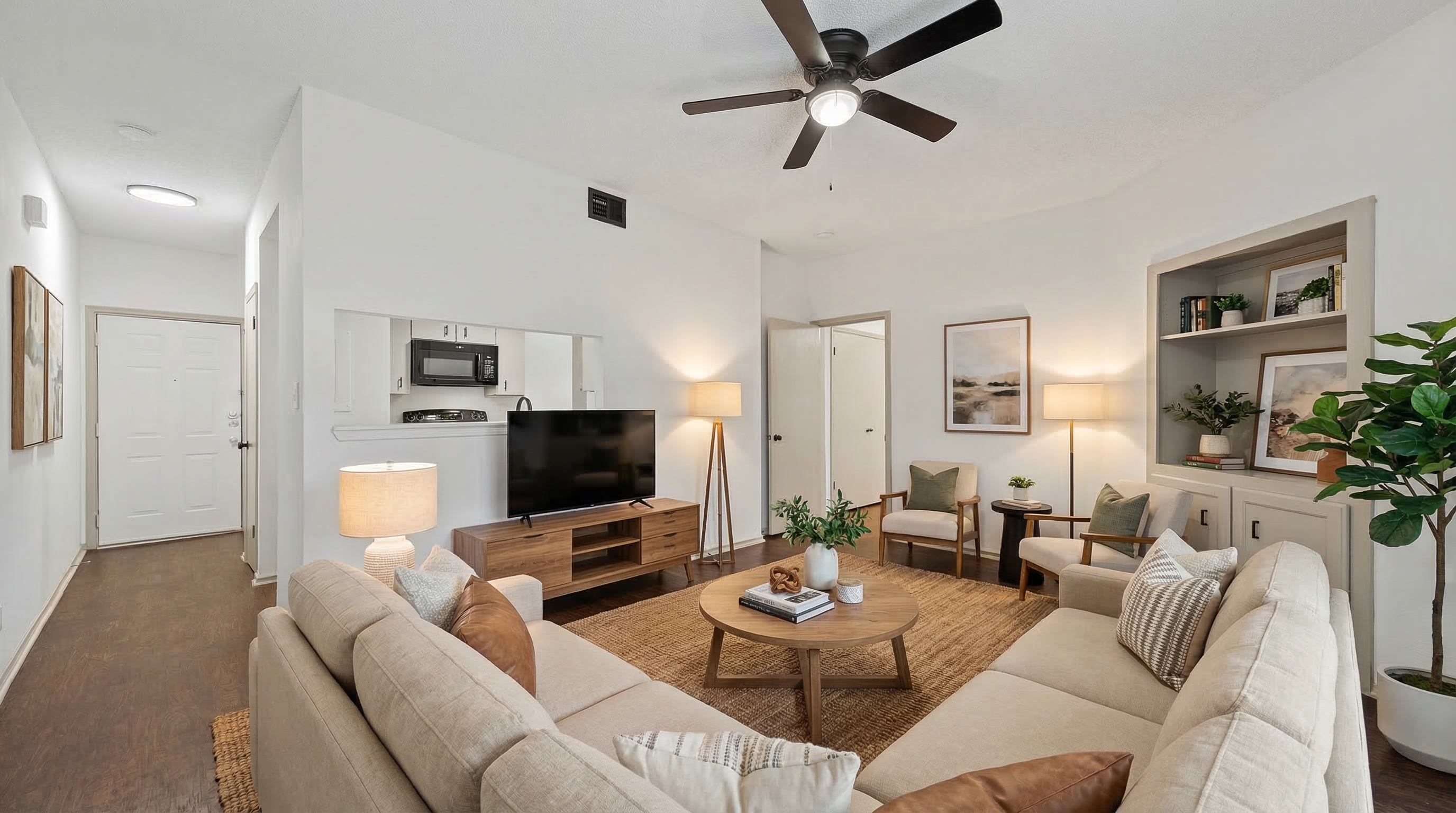
At 19Eleven, 0.5 miles from Baylor's academic core on S 8th Street, residents have access to 24/7 on-site study rooms, gigabit-ready connections, and a gated community that filters for residents who are serious about their living environment. When Moody Memorial Library is packed during finals — which happens at every top-100 university — 19Eleven's study rooms provide a real alternative without leaving your building.
If you're choosing Baylor in part because of its rising rankings and the quality of experience that reflects, the housing decision should reflect that same standard. Check the floor plans to see what's available, or schedule a tour to see the building.
The Numbers in Context
Baylor's 2026 rankings snapshot:
| System | Ranking |
|---|---|
| US News National Universities | #88 |
| US News Private Universities | #46 |
| US News First-Year Experience | #4 |
| US News Best Undergraduate Teaching | #27 |
| Big 12 Conference | #1 |
| Texas universities | #4 |
| Fulbright US Student Scholars | Top 10 nationally |
| Times Higher Education (Global) | #601 |
| QS World University Rankings | 1001–1200 |
The US News domestic rankings — especially First-Year Experience and Teaching — are the most directly meaningful for an undergraduate choosing Baylor. The global rankings matter more if you're comparing to international programs or planning graduate study abroad.
What's Next After Choosing Baylor
Once Baylor is confirmed, the decisions shift: what major to pursue, whether to pursue graduate school, and where to live for your sophomore year when the on-campus requirement no longer applies.
The dorm-to-apartment transition guide walks through exactly when and how to make that move. Most Baylor students who choose 19Eleven do so because it's the closest loft-style apartment complex to campus — close enough to walk to morning labs, far enough from the dorms to feel like an independent life.
Baylor at #88 is a school on a real upward trajectory. The students who attend now are at the leading edge of that rise. Visit us or explore what's available — we're 0.5 miles from the school you chose.