Baylor Pre-Med Guide: How to Succeed on the Pre-Medicine Track at Baylor University

The acceptance rate for U.S. medical schools hovers around 40–43%, but Baylor University graduates who go through the formal pre-health advising process perform consistently above that national average. That's not luck — Baylor pre-med has one of the most structured support systems of any undergraduate program in Texas. If you're planning to apply to medical school, here's what you actually need to know about the baylor pre med track.
What "Pre-Med" Means at Baylor (It's Not a Major)
Baylor does not have a pre-med major. "Pre-med" at Baylor is a pre-health track — a defined set of courses, advisors, and extracurricular milestones you pursue alongside your declared major. This matters because you have real flexibility in what you study.
The most common majors for Baylor pre-med students are Biology, Chemistry, and Biochemistry, since required science courses overlap heavily with those majors. But Neuroscience, Psychology, and even Business majors have successfully gotten into medical school from Baylor. Medical schools care about your GPA and MCAT score — your major is less important than you might think.
The Office of Pre-Health Advising coordinates the baylor pre health track and is located at 1301 S University Parks Dr, Suite 111. They handle everything from freshman course planning to the all-important committee letter in your senior year. Start meeting with them early — ideally your first semester freshman year.
Required Pre-Med Coursework at Baylor
Medical schools have standard prerequisite requirements, and Baylor's course catalog covers all of them. Here's what baylor pre med requirements include:
- Biology I & II with lab — BIOL 1305/1105 + BIOL 1306/1106 (typically freshman year)
- General Chemistry I & II with lab — CHEM 1301/1101 + CHEM 1302/1102 (freshman/sophomore year)
- Organic Chemistry I & II with lab — CHEM 3331/3131 + CHEM 3332/3132 (the weed-out sequence)
- Physics I & II with lab — PHY 1420/1120 + PHY 1430/1130 (sophomore/junior year)
- Biochemistry — CHEM 4V43 or BIO 4344 (junior/senior year)
- Statistics — MATH 1316 or equivalent
- English Composition — WRIT 1304
That's roughly 15–16 courses stacked on top of your major and core curriculum requirements. A realistic timeline:
- Freshman year: Bio I & II, Chem I & II, start volunteering/shadowing
- Sophomore year: Orgo I, Physics I, clinical work begins in earnest
- Junior year: Orgo II, Physics II, Biochemistry — MCAT prep concurrent with coursework, take MCAT spring or early summer
- Senior year: Applications submitted in June (AMCAS opens June 1), committee letter coordinated with the pre-health office, secondaries due fall through winter
Junior and senior year are when the schedule intensifies — you're often carrying 16–18 hours of upper-division science courses while simultaneously building clinical hours and preparing for the MCAT.
The GPA and MCAT Numbers That Matter
Nationally, the average MCAT score for accepted medical school applicants is 511.9 out of 528. Competitive overall GPA is 3.7+; competitive science GPA (sGPA) is 3.7+. Baylor pre-med students who successfully matriculate to medical school typically maintain 3.6–3.9 in their science courses.
The MCAT is offered multiple times per year. The closest testing centers to Baylor are in Waco and Dallas. Most students take it in March–May of junior year so scores arrive before the summer application cycle opens.
MCAT prep resources near Baylor: Princeton Review and Kaplan both offer local courses, Baylor's library has MCAT prep books on reserve, and AAMC's official practice materials are available free online. Budget 300+ structured study hours. Most students begin prep 4–6 months before test day.
One thing to understand: baylor pre med gpa matters, but it's not the whole picture. Medical schools want a full applicant profile — which is why clinical hours, research, and shadowing carry as much weight as your transcript.
Clinical Hours and Shadowing Opportunities in Waco
Every medical school expects 100–200+ clinical hours. Waco has solid options:
Baylor Scott & White Medical Center Hillcrest — 1901 SW Loop 340, the largest hospital in Waco. This is where most Baylor pre-med students get clinical exposure. Apply through their volunteer services office early — spots fill quickly. It's about 2.5 miles from 19Eleven Apartments, so plan on a short drive or rideshare for most shifts.
Ascension Providence — 6901 Medical Pkwy. The other major hospital system in Waco, with additional shadowing opportunities particularly in surgery and emergency medicine.
Waco VA Medical Center — serves veterans in Central Texas; volunteer clinical roles here offer exposure to a distinct patient population that strengthens applications.
Baylor University Health Services — on campus at McLane Student Life Center; sometimes places pre-health volunteers in administrative and clinical support roles.
The pre-health advising office maintains a list of current physician contacts by specialty. Use it — going through established Baylor channels is far more effective than cold-calling physicians on your own.
Research and Meaningful Extracurriculars
Most competitive medical school applicants have research experience. At Baylor, the College of Arts & Sciences and the Baylor Research Initiative offer undergraduate research in biology, chemistry, neuroscience, and related fields. Start looking in sophomore year — most faculty prefer students who have completed at least Orgo I and can commit for two or more semesters.
Beyond research, medical schools look for sustained leadership in one or two activities rather than a long list of brief involvements. Common meaningful options for Baylor pre-med students:
- Pre-Medical Society — organized through BaylorConnect, connects pre-med students and hosts MCAT panels and specialty speaker events
- Alpha Epsilon Delta (AΕΔ) — the national pre-health honor society with a Baylor chapter
- Free clinic volunteering — Waco and surrounding communities have active charitable clinic programs; an afternoon per week adds meaningful clinical hours and demonstrates community commitment
- Tutoring — tutoring Orgo or Bio to younger students is a common and credible extracurricular
- Baylor Athletics — sports medicine and athletic training support roles offer direct clinical exposure
The Pre-Health Committee Letter
Baylor's Office of Pre-Health Advising compiles a composite committee letter — a coordinated evaluation from your advisors and faculty that accompanies your medical school application. This is one of Baylor's stronger structural advantages for pre-med students, and it sets Baylor applicants apart at many medical schools.
To receive a committee letter:
- Meet with the pre-health office at least once per semester starting freshman or sophomore year
- Participate in pre-health advising programs and workshops
- Complete the committee letter application in the spring of your junior year
- Attend the formal pre-health committee interview during senior year
Don't wait until senior year to build this relationship. The committee letter reflects four years of consistent engagement — not one rushed meeting right before the application cycle opens.
Why Where You Live Affects Your Pre-Med Performance
The logistics of being pre-med at Baylor are demanding. You're simultaneously managing labs, lectures, exams, clinical hours, extracurriculars, and MCAT prep across four years. Where you live directly affects how efficiently you use your time.
Most Baylor pre-med students find that living close to campus isn't optional — it's strategic. The Baylor Sciences Building (BSB) and Carroll Science Hall, where most pre-med coursework happens, are on the east side of campus. At 19Eleven Apartments (1911 S 8th Street, Waco, TX), you're 0.5 miles from the BSB — a 10-minute walk or 5-minute bike ride when you're heading to an 8am organic chemistry lab.
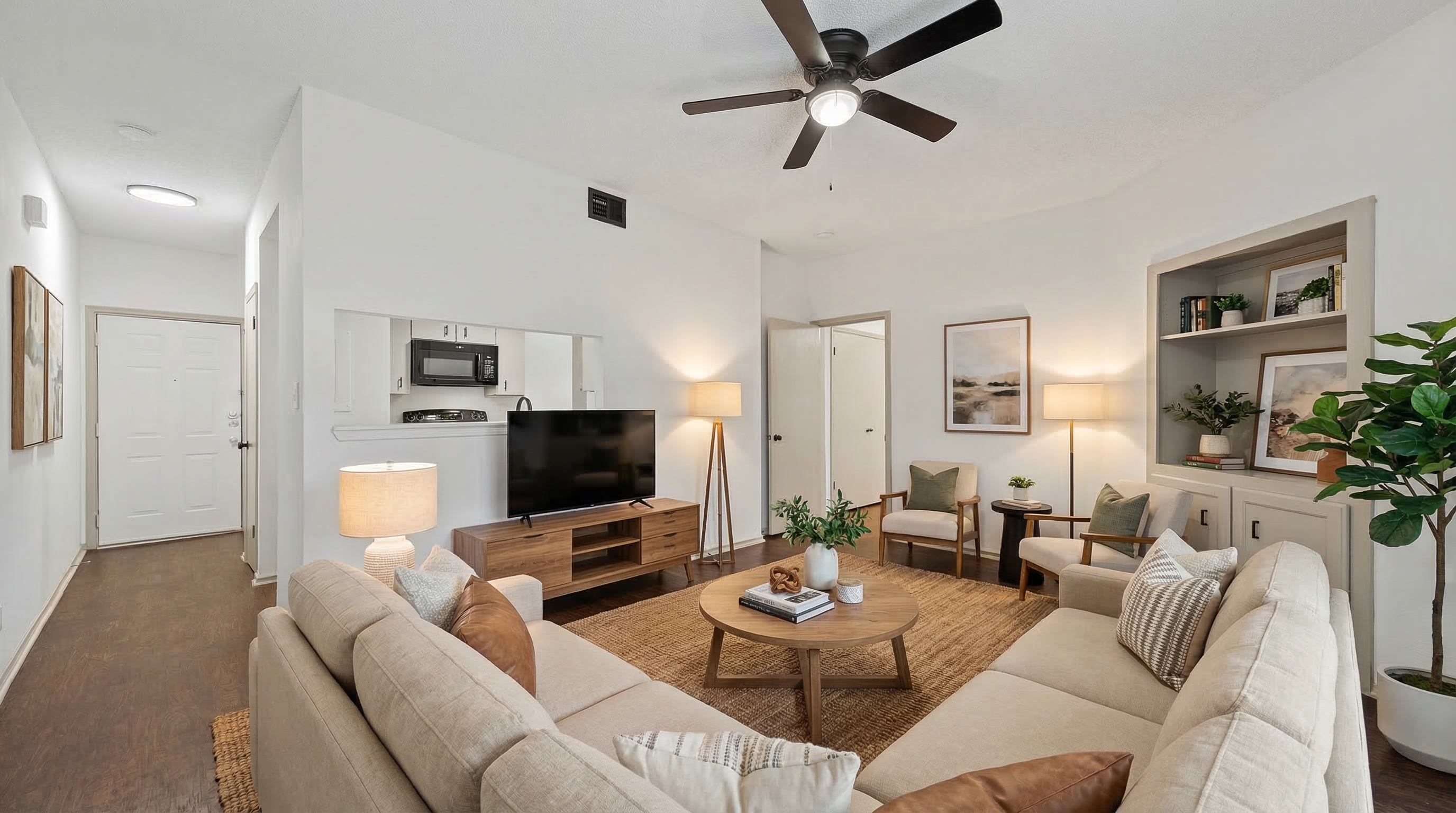
The 24/7 study rooms matter here too. Pre-med students don't study on a 9-to-5 schedule. Having a quiet, dedicated study space at 11pm — separate from your bedroom so you can actually sleep — is something most dorm rooms and cheaper off-campus apartments can't offer. 19Eleven's loft-style units with distinct bedroom separation are particularly practical: when you're on hour four of a biochemistry problem set, having a door to close is worth something.
Students can view the available floor plans — 1-bedroom and 2-bedroom units work especially well for pre-med students who need a clear work-sleep separation. The amenities include those study rooms plus a gated, quiet residential environment that reduces the social interruptions that derail focus during high-stakes weeks.
Proximity to Baylor Scott & White Hillcrest (2.5 miles) is also worth noting for students planning regular clinical shifts — it's a quick drive rather than a long commute across Waco.
Pre-Health Advising at Baylor: Key Resources
- Office of Pre-Health Advising: 1301 S University Parks Dr, Suite 111, Waco TX 76706 | (254) 710-7522 | prehealth.web.baylor.edu
- Pre-Medical Curricular Planning Guide: available at prehealth.web.baylor.edu/pre-medicine
- Individual advising appointments: book early; fall semester slots go fast
- Pre-health programming: MCAT workshops, physician panel discussions, and application cycle prep
- BaylorConnect: for the pre-medical society and other pre-health student organizations
Setting Yourself Up to Succeed
The baylor pre med track rewards students who plan early and stay consistent for all four years. Cramming clinical hours into senior year or starting MCAT prep too late are the two most common mistakes — both are avoidable if you treat pre-med as a four-year project rather than a last-minute sprint.
A few habits that pay off from week one:
- Track every clinical and shadowing hour as you log it — don't rely on memory when application season arrives
- Build relationships with science faculty early — letters of recommendation need to be specific and compelling, not generic
- Meet with the pre-health office every semester, even when you don't have an urgent question
If you're also figuring out where to live while managing all of this, the combination of walking distance to the science buildings, quiet study rooms, and a loft layout that separates your sleep space from your work space makes 19Eleven worth a look. Schedule a tour to see the study rooms and walk the distance to campus for yourself.
Getting into medical school from Baylor is absolutely achievable — students do it every year. The ones who succeed start early, stay consistent, and build every piece of their application with intention.